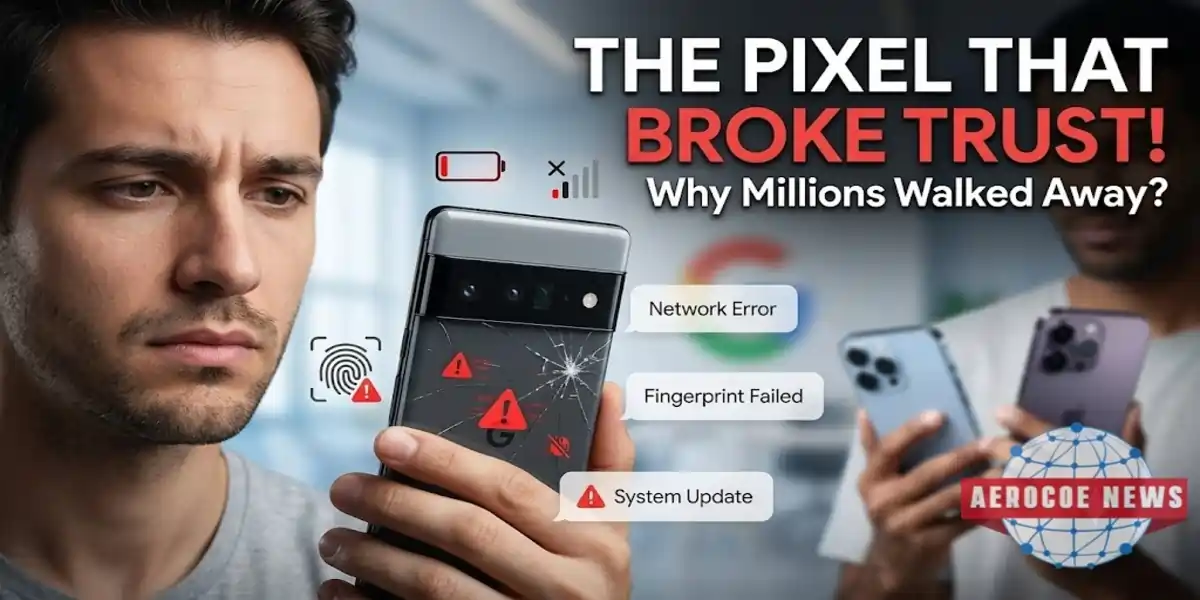

The evolution of the modern mobile device has turned into an ongoing race of technical boundaries and computational power. For many tech enthusiasts, purchasing a premium flagship is supposed to ensure a seamless, high-performance experience that effortlessly handles daily corporate and personal workflows. However, the history of mobile technology is filled with cautionary tales of devices that promised a revolutionary future but ultimately stumbled on basic hardware execution. As we cross the midpoint of 2026, a significant inflection point has arrived for a specific community of Android users. With official support for the Google Pixel 6 and Pixel 6 Pro scheduled to completely sunset in October, owners who have stubbornly held onto these devices are finally forced to look for a new upgrade. Yet, for a vocal segment of these consumers, their next purchase will absolutely not feature a Google logo, simply because their initial transition into Google’s custom silicon ecosystem left a remarkably bitter taste in their mouths.
When Google launched the Pixel 6 generation, it marketed the lineup as a clean break from conventional mobile design. It introduced a striking camera visor, advanced on-device artificial intelligence, and the premiere of the proprietary Tensor system-on-chip (SoC). It was supposed to be the definitive showcase of what happens when the creator of the Android operating system controls the underlying silicon architecture. Unfortunately, for an incredibly large cohort of buyers, the reality of utilizing this specific Smart Phone on a daily basis turned into an exercise in patience and technological frustration. The fallout from this specific product release continues to ripple across digital communities, demonstrating how a single compromised hardware generation can cause long-term damage to corporate brand equity and customer retention.
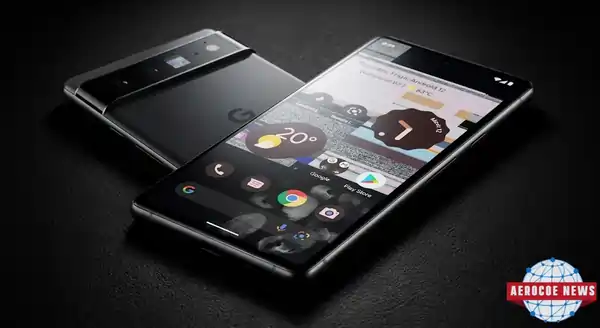
Deconstructing the Hardware Flaws: The Optical Scanner Debacle
To fully comprehend why this specific product generation shattered consumer confidence, one must look closely at the foundational hardware components that developers chose to integrate. The most immediate, daily point of friction for every single Pixel 6 owner centered on the under-display optical fingerprint scanner. In an era where biometrics are expected to be instantaneous, unlocking this device turned into an unreliable chore. Users regularly reported that the optical scanner required multiple long presses, failed completely under bright direct sunlight, and suffered from severe software calibration latency that subsequent over-the-air patches could never truly fix.
For a premium device designed to act as a user’s primary connection to their digital life, a failure in basic biometric access is a massive oversight. The engineering decision to utilize a cost-effective optical sensor rather than an advanced ultrasonic variant meant that the system relied on taking a literal illuminated photograph of the user’s thumbprint. This mechanism proved highly sensitive to minor skin moisture changes, screen protectors, and outdoor lighting variations. While tech forums filled with temporary workarounds—such as registering the same thumbprint multiple times or turning on high-sensitivity display modes—the underlying sentiment among the user base shifted from excitement to deep annoyance.
Thermal Throttling, Defective Modems, and Connectivity Nightmares
Beyond the initial lock screen, the structural issues plaguing the early custom silicon generation reached deep into core wireless functionality. Google’s choice of an integrated Samsung-sourced Exynos modem turned out to be one of the most critical structural flaws of the entire device. A mobile phone’s absolute core baseline responsibility is to maintain a stable connection to cellular networks. Yet, Pixel 6 and Pixel 6 Pro owners worldwide quickly noticed that their devices consistently dropped signals in areas where older, budget hardware maintained perfect connectivity.
- The Dropped Call Phenomenon: The integrated modem struggled immensely with network handovers, frequently dropping cellular data entirely when transitioning between different tower sectors.
- Severe Thermal Throttling: The first-generation Tensor processing unit ran incredibly warm. Basic tasks like navigating via GPS on a summer afternoon or recording a brief 4K video clip caused the internal chassis temperatures to soar, triggering aggressive thermal safety throttling.
- The Vicious Battery Drain Cycle: Because the internal modem had to exert excessive energy constantly searching for a baseline cellular signal, the device suffered from severe idle battery depletion, forcing professional field workers to carry external power banks just to survive a standard workday.

Real Community Voices: The Stories Behind the Backlash
The frustration surrounding this device wasn’t just confined to technical spec sheets; it deeply impacted the real-world lives of everyday users. On major aggregation platforms like Reddit and independent automotive and tech forums, users have shared exhaustive lists of their hardware struggles. One notable account from a long-time Android user described how he and his spouse received a pair of free devices during a major carrier network transition. Even with a net-zero acquisition cost, the user noted that the daily upkeep and unpredictable behavior of the hardware made the experience entirely unviable.
This specific user detailed an alarming series of hardware degradations over a multi-year cycle. Both devices eventually suffered from severe internal battery swelling, a dangerous defect that physically warped the chassis layers and required immediate warranty replacements. The replacement units fared no better, exhibiting chronic overheating and deteriorating cell capacities within months. In a particularly frustrating incident, a single stray raindrop hitting the open Type-C charging port managed to completely short out the internal digitizer layer, instantly rendering the screen completely non-responsive. For consumers accustomed to the robust environmental seals of competing modern flagships, these structural vulnerabilities were an absolute dealbreaker.
How Google Shifted Strategy: Moving Toward the Future Upgrades
To Google’s corporate credit, the executive and engineering teams did not remain completely blind to the widespread consumer backlash. The subsequent iterations of the Pixel portfolio have served as a rolling laboratory for correcting the core architectural missteps of the 2021 launch window. The company systematically overhauled its hardware procurement strategy, paving the way for a much more mature and reliable premium ecosystem.
The turning point for the brand’s hardware maturity arrived with the launch of the Pixel 9 series. Google finally listened to consumer feedback and completely abandoned the problematic optical fingerprint scanning modules, substituting a highly advanced, ultra-fast ultrasonic biometric sensor. Furthermore, ongoing industry rumors suggest that the upcoming Pixel 11 Pro and Pixel 11 Pro XL lines will make an even cleaner structural break by favoring highly optimized, next-generation wireless modems, potentially sourced from MediaTek. These evolutionary steps prove that Google has learned how to build resilient mobile hardware, but for the early adopters who lost critical data or business calls during the early Tensor era, these fixes arrived far too late.
The Proactive Software King: Why Some Users Still Choose to Upgrade
Despite the undeniable physical vulnerabilities of the older generation, there is a fascinating counter-argument to be made for why certain users choose to stay within the ecosystem. Google remains the absolute undisputed king of software backporting. This corporate philosophy ensures that groundbreaking software features introduced on the absolute latest flagship devices are systematically coded backward into older hardware, preventing immediate device obsolescence.
Furthermore, Google’s long-term commitment to software longevity is highly impressive. The company eventually extended the official update lifecycle for the Pixel 6 series, allowing these older devices to officially receive the upcoming Android 17 upgrade before their software cycles completely finish. The inclusion of deep, system-level artificial intelligence tools like Gemini has completely transformed how users interact with their devices. For certain owners, the sheer utility of having a highly proactive, AI-driven assistant that automates daily messaging, organizes schedules, and provides instant contextual answers outweighs the structural annoyances of the physical chassis. It is this specific software magic that is driving a portion of the user base to upgrade to the upcoming Pixel 11 Pro XL later this summer, despite their previous hardware scars.
Conclusion: Balancing Software Brilliance with Physical Reliability
Ultimately, the story of the Pixel 6 generation serves as a vital lesson for the entire Smart Phone industry. You can design the most brilliant, forward-thinking mobile operating system in the world, but if the physical hardware fails to maintain a basic cellular connection or unlock reliably, the user experience collapses entirely. While Google has done monumental work over the past few years to fix its supply chain and build truly dependable flagships, the ghost of past design failures still lingers in consumer forums.
As the October support deadline fast approaches, millions of users are preparing to make a critical financial choice. Whether they choose to jump to competing premium ecosystems or give Google one final chance with its upcoming 3-nanometer silicon lineup, the market has made one thing abundantly clear: modern consumers demand absolute physical reliability alongside software intelligence.
Have you ever owned a mobile device that completely turned you off from a specific brand? Are you currently planning an upgrade as older flagship support cycles come to an end? Let us know your real-world experiences in the comment section below, and make sure to share this article with your tech-savvy friends!
Frequently Asked Questions (FAQs)
Q1: What was the main reason the Pixel 6 series suffered from dropped calls? The primary cause was an inefficient, early-generation network modem sourced from external suppliers, which struggled immensely with signal handovers and maintaining reliable connections to cellular tower bands.
Q2: What is the difference between an optical and an ultrasonic fingerprint sensor? An optical sensor shines a bright light to capture a 2D image of your thumbprint, making it slow and highly sensitive to external lighting changes. An ultrasonic sensor uses high-frequency sound waves to map a highly secure 3D replica of your print, working instantaneously even with wet or dirty fingers.
Q3: When will official software support for the Pixel 6 line completely end? Official software updates and critical security patches for the standard Pixel 6 and Pixel 6 Pro are scheduled to reach their final expiration in October.
Q4: Is it safe to continue using a mobile device after its battery begins to swell? Absolutely not. A swelling battery indicates a severe internal chemical breakdown that poses an immediate risk of fire or thermal explosion. The device should be powered down immediately and taken to an authorized repair center.
Q5: What does “software backporting” mean in the mobile industry? Backporting is the software engineering practice of taking cutting-edge features, user interface elements, or AI tools designed for the absolute newest phones and adapting the code so they can run perfectly on older generation devices.