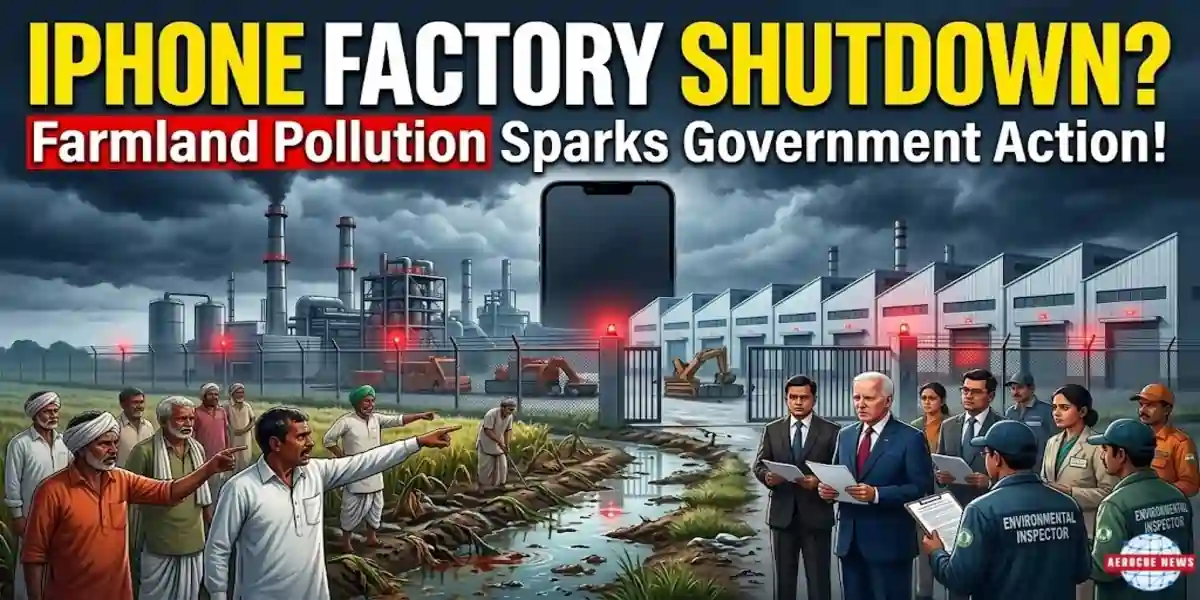

The global Smart Phone manufacturing ecosystem is facing an unexpected bottleneck in South Asia. In a development that has sent shockwaves through the technology and corporate sectors, Indian regulatory authorities have threatened to close down a major manufacturing facility dedicated to producing components for Apple’s iconic device. The facility, managed by Indian conglomerate Tata in the state of Tamil Nadu, stands accused of contaminating vital agricultural lands and local water sources, triggering a tense standoff between industrial growth and environmental conservation.
As major tech giants look to diversify their production lines outside of traditional manufacturing hubs, India has emerged as a frontrunner in the premium Smart Phone assembly market. However, this recent regulatory friction highlights the immense environmental challenges that come with rapid industrialization. With local farmers protesting and environmental watchdogs stepping in, the future of this high-profile facility hangs in a delicate balance. Let’s take an in-depth look at what is happening on the ground and what it means for the global tech supply chain.
Environmental Violations at the Hosur Facility
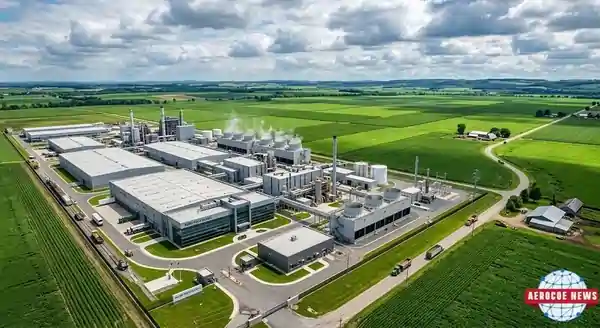
The manufacturing plant at the center of this controversy is located in Hosur, a bustling industrial hub in the southern region of Tamil Nadu. This specific facility plays a critical role in the localized ecosystem of the premium Smart Phone market, specializing in the complex production of structural components, including the precision-engineered back panels of latest-generation devices.
According to comprehensive investigative data originally compiled by Reuters, the Tamil Nadu Pollution Control Board (TNPCB) has issued a stern, formal warning to the management team at Tata. The state regulator has made it clear that if immediate, verifiable corrective measures are not taken, the government may force an absolute administrative shutdown of the facility. The core issue stems from repeated, urgent complaints lodged by regional agrarian communities who noticed rapid degradation in their soil quality and domestic water networks.
What the Regulatory Investigations Discovered
The friction did not develop overnight. Local farming groups had been petitioning state officials for months, reporting that chemical-laden wastewater discharges from the factory were systematically seeping into adjacent farmlands and open village wells—the primary lifeline for both crop irrigation and human consumption.
Key Findings of the TNPCB Inspection Teams:
- Multiple Site Audits: The pollution regulator executed a sequence of five independent, unannounced site inspections between December 2025 and May 2026 to evaluate internal waste management compliance.
- The Overflow Incident: Inspectors discovered that improperly managed industrial wastewater discharge had caused one of the factory’s internal rainwater harvesting retention ponds to overflow heavily into surrounding drainage channels.
- Groundwater Contamination: Lab analysis verified that groundwater in open wells located directly on adjacent agricultural plots contained synthetic pollutants, confirming the farmers’ worst fears.
The TNPCB documentation revealed that the factory management had been officially alerted about the contamination risks as early as late December 2025. Despite receiving these initial warning notices, the state regulator asserts that the company failed to deploy adequate containment infrastructure or alter its fluid discharge practices over the subsequent six months.

Corporate Defenses and the Ultimatum
Faced with a potential shutdown order that could disrupt production schedules for the global Smart Phone market, Tata’s corporate communication teams have moved swiftly to clarify their operational stance. A spokesperson for the company stated that internal and independent third-party environmental analyses concluded the Hosur facility was operating in full compliance with all prevailing state and national environmental regulations.
Furthermore, the corporate management explicitly denied allegations of regulatory negligence or inaction. The company maintained that it had consistently provided formal, technical responses to every inquiry and clarification sought by the TNPCB inspectors. Despite these reassurances, the regulatory board has moved to the next aggressive tier of enforcement, issuing a formal “show-cause” notice. This directive demands that the company explain why its operational consent should not be revoked immediately and why the state should not order the electricity grid to cut power to the entire industrial complex.
Apple’s Silence and the Broader Smart Phone Impact
As expected during complex regulatory disputes involving outsourced manufacturing partners, Apple has refrained from issuing any direct public commentary regarding the TNPCB’s field findings. However, behind closed doors, any threat of a production halt is bound to draw intense corporate scrutiny, given how rapidly the tech giant has been trying to build up its presence in the country.
Tracking the Manufacturing Footprint
The current dispute affects an infrastructure network that has been expanding rapidly over the past three years. The expansion strategy involved several key milestones:
- The Wistron Acquisition (2023): The domestic industrial group originally entered the premium electronics assembly arena by acquiring Wistron’s existing assembly infrastructure in Karnataka.
- The Pegatron Partnership (2024): The company strengthened its market positioning by entering into a strategic joint venture and taking a controlling stake in Pegatron’s established factories.
- The Billion-Dollar Investment: Together, the entities committed over $1 billion to scale up component manufacturing lines across Tamil Nadu to secure a larger share of the global export market.
The Hosur facility was designed to be the crown jewel of this domestic manufacturing expansion. However, the site has had a rocky history; it previously faced a massive internal industrial fire that brought all component assembly lines to a complete standstill for an extended period. This latest environmental dispute adds a layer of operational risk just as the facility was regaining its momentum.

Balancing Industrial Growth and Environmental Health
The standoff in Tamil Nadu highlights a classic dilemma faced by developing economies worldwide. On one hand, securing high-tech manufacturing contracts creates thousands of local engineering and assembly jobs, drives regional infrastructure spending, and elevates the country’s status as an export powerhouse.
On the other hand, the heavy chemical processing required to manufacture advanced electronics components puts immense strain on local resources. When highly industrialized manufacturing zones overlap directly with delicate agricultural belts, conflicts over clean water and arable land are almost inevitable. For the country to cement its position as a reliable alternative hub for the global hardware market, its manufacturing infrastructure must prove that it can meet strict international environmental, social, and governance (ESG) standards without destroying local communities.
Conclusion
The ongoing environmental dispute at the Hosur component plant is a critical test case for the electronics industry. As the Tamil Nadu Pollution Control Board weighs its final enforcement decisions, the tech sector is watching closely to see how the factory’s management handles these serious waste management shortcomings.
Resolving this deadlock will require a transparent pivot toward greener manufacturing methodologies, including upgraded zero-liquid-discharge water treatment systems and stricter monitoring of agricultural runoff. Ultimately, for a country to build a truly resilient supply chain, its factories must demonstrate that they can manufacture the world’s most advanced hardware while keeping nearby communities safe and healthy.
What is your perspective on this industrial dispute? Should environmental regulators hold massive tech manufacturing hubs to stricter standards, even if it delays global device availability? Let us know your thoughts in the comment section below, and share this update with your network!
Frequently Asked Questions (FAQs)
Q1: Which specific smart phone components are manufactured at the Hosur factory?
The Hosur industrial facility specializes in fabricating complex mechanical components, including the precision-engineered back panels and internal structural chassis for premium devices.
Q2: What is “thermal derating” or environmental derating in an industrial context?
In manufacturing, environmental derating refers to intentionally reducing factory power output or operational capacity to prevent equipment from exceeding safe thermal and chemical boundaries during extreme external conditions.
Q3: How does a factory shutdown in India affect global device availability?
Because the modern electronics supply chain relies heavily on “just-in-time” logistics, even a brief disruption at a primary component plant can cause inventory shortages at final assembly lines worldwide.
Q4: What specific chemical pollutants are usually found in electronics manufacturing wastewater?
Wastewater from electronics component rinsing and etching lines often contains heavy metals, industrial solvents, and acidic compounds that require specialized multi-stage treatment before safe disposal.
Q5: What are the next administrative steps if the factory fails to satisfy the show-cause notice?
If the regulatory response is deemed insufficient, the TNPCB holds the statutory power to issue a closure order, disconnect the facility from the state power grid, and halt all water supply connections.